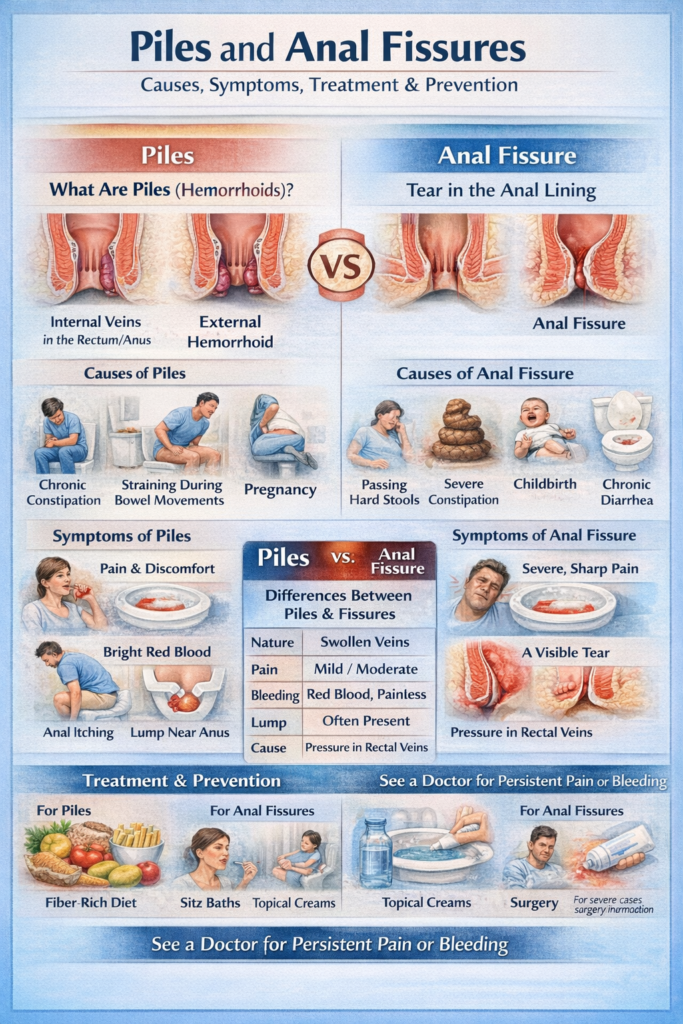
Piles and Anal Fissures
Piles and Anal Fissures surgery cost £1550.
Surgery offered in London, Istanbul and Hurghada.
Causes, Symptoms, Treatment & Prevention
Disorders of the anal region are common but often underreported due to embarrassment. Two of the most frequent conditions are piles (hemorrhoids) and anal fissures. Although they may share similar symptoms—such as pain and bleeding during bowel movements—they are distinct medical problems with different causes and treatments.
What Are Piles (Hemorrhoids)?
Piles, medically known as hemorrhoids, are swollen and inflamed veins in the lower rectum and anus. They are similar to varicose veins but occur in the anorectal region.
Types of Hemorrhoids
Internal Hemorrhoids
Located inside the rectum
Usually painless
May cause painless rectal bleeding
External Hemorrhoids
Located under the skin around the anus
Can be painful and itchy
May form clots (thrombosed hemorrhoids)
Causes of Piles
Common risk factors include:
Chronic constipation
Straining during bowel movements
Prolonged sitting (especially on the toilet)
Pregnancy
Obesity
Low-fiber diet
Chronic diarrhea
Increased pressure in the rectal veins leads to swelling and enlargement.
Symptoms of Piles
Bright red bleeding during or after bowel movement
Itching or irritation around the anus
Pain or discomfort
Swelling near the anus
A lump that may protrude (prolapsed hemorrhoid)
What Is an Anal Fissure?
An anal fissure is a small tear in the lining of the anus. Unlike hemorrhoids, fissures are caused by trauma to the anal canal.
Fissures are commonly seen in infants and young adults but can occur at any age.
Causes of Anal Fissures
Passing hard or large stools
Severe constipation
Chronic diarrhea
Childbirth
Anal trauma
Inflammatory bowel disease (in rare cases)
The tear causes spasms in the anal sphincter muscle, which worsens pain and delays healing.
Symptoms of Anal Fissures
Severe sharp pain during bowel movements
Pain lasting minutes to hours after passing stool
Small amount of bright red blood on toilet paper
Visible crack in the anal skin
Burning sensation during defecation
Pain is usually more intense in fissures compared to hemorrhoids.
Key Differences Between Piles and Fissures
| Feature | Piles | Anal Fissure |
|---|---|---|
| Nature | Swollen veins | Tear in anal lining |
| Pain | Mild to moderate | Severe, sharp pain |
| Bleeding | Common, painless | Small amount, painful |
| Lump | Often present | Usually absent |
| Cause | Increased vein pressure | Trauma from hard stool |
Diagnosis
Doctors usually diagnose these conditions through:
Medical history
Physical examination
Digital rectal examination
Proctoscopy (if needed)
Persistent bleeding should always be evaluated to rule out more serious conditions such as colorectal cancer.
Treatment Options
Treatment for Piles
Conservative Management:
High-fiber diet
Increased water intake
Stool softeners
Warm sitz baths
Topical creams
Minimally Invasive Procedures:
Rubber band ligation
Sclerotherapy
Infrared coagulation
Surgery (Hemorrhoidectomy):
For severe or recurrent cases
Treatment for Anal Fissures
Non-Surgical Treatment:
Fiber supplements
Sitz baths
Topical nitroglycerin or calcium channel blockers
Pain relievers
Most acute fissures heal within 6–8 weeks.
Surgical Treatment:
Lateral internal sphincterotomy (for chronic fissures)
Prevention Strategies
Eat a high-fiber diet (fruits, vegetables, whole grains)
Drink at least 2–3 liters of water daily
Avoid straining during bowel movements
Exercise regularly
Do not delay the urge to pass stool
Lifestyle changes are key to preventing recurrence.
When to See a Doctor
Seek medical attention if you experience:
Persistent rectal bleeding
Severe pain
Symptoms lasting more than a few weeks
Unexplained weight loss
Changes in bowel habits
Early treatment prevents complications and improves quality of life.
Conclusion
Piles and anal fissures are common but manageable conditions. While they may cause discomfort and anxiety, most cases respond well to dietary changes, medications, and simple procedures.
Prompt diagnosis and appropriate treatment can relieve symptoms and prevent complications. If you experience persistent anal pain or bleeding, please book a free consultation with us.