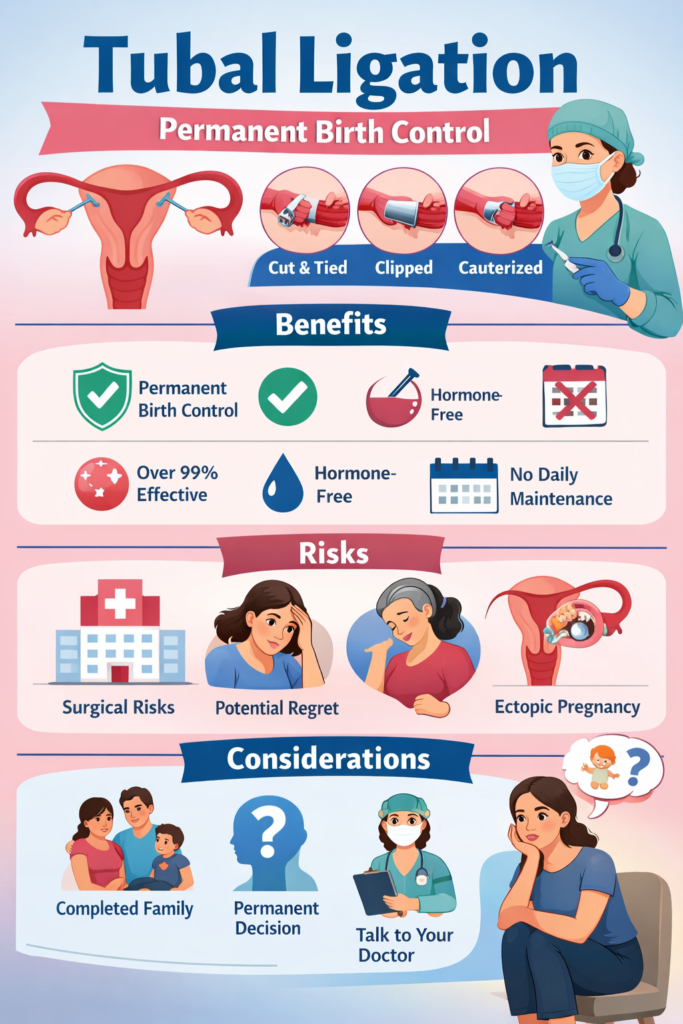
Tubal ligation procedure
Tubal Ligation cost £1550.
London, Istanbul and Hurghada.
Key hole surgery.
Minimal Downtime.
Tubal ligation, commonly referred to as “getting your tubes tied,” is a surgical procedure designed to provide permanent contraception for women. It is one of the most effective forms of birth control available and is chosen by individuals who are certain they do not want future pregnancies. This article explores what tubal ligation is, how it works, its benefits and risks, and important considerations before making this life-changing decision.
What Is Tubal Ligation?
Tubal ligation is a medical procedure that involves blocking, cutting, or sealing the fallopian tubes to prevent eggs from traveling from the ovaries to the uterus. Since fertilization typically occurs in the fallopian tubes, stopping this pathway effectively prevents pregnancy.
The procedure can be performed in several ways, including:
Cutting and tying the tubes
Sealing them with heat (cauterization)
Clipping or banding them closed
It is usually done under general or local anesthesia and can be performed in a hospital or outpatient surgical center.
How Effective Is It?
Tubal ligation is more than 99% effective at preventing pregnancy. Once completed, it works continuously without the need for ongoing maintenance, making it a convenient option compared to temporary methods like pills or injections.
However, while rare, there is still a small chance of pregnancy. In such cases, there is a higher risk of ectopic pregnancy, where the fertilized egg implants outside the uterus.
Benefits of Tubal Ligation
Tubal ligation offers several advantages, particularly for women seeking a long-term solution to birth control:
Permanent contraception: No need for ongoing birth control methods.
Highly effective: One of the most reliable methods available.
Hormone-free: Does not affect natural hormone levels or menstrual cycles.
Convenience: Eliminates the need for daily, weekly, or monthly contraception.
Risks and Side Effects
Like any surgical procedure, tubal ligation carries some risks, although serious complications are rare. Possible risks include:
Infection at the surgical site
Bleeding or damage to nearby organs
Reactions to anesthesia
Post-surgical pain or discomfort
Some women may also experience regret, particularly if the decision was made under pressure or at a young age.
Is Tubal Ligation Reversible?
Tubal ligation is considered permanent. While reversal procedures exist, they are complex, expensive, and not always successful. Therefore, it is crucial to view tubal ligation as a lifelong decision rather than a temporary solution.
Who Should Consider Tubal Ligation?
Tubal ligation may be a suitable option for women who:
Are certain they do not want more children
Have completed their families
Prefer a non-hormonal birth control method
Cannot use other contraceptive methods for medical reasons
It is not typically recommended for individuals who are unsure about their future fertility desires.
Important Considerations
Before choosing tubal ligation, it is essential to have a thorough discussion with a healthcare provider. Topics to consider include:
Your long-term reproductive goals
Alternative contraceptive options
Potential risks and benefits
Emotional and psychological readiness
Counseling can help ensure that the decision is informed and aligned with your personal circumstances.
Conclusion
Tubal ligation is a safe, effective, and permanent form of birth control that offers peace of mind for many women. However, it is a significant decision that requires careful thought and consultation with a medical professional. Understanding the procedure, its implications, and your own future goals is key to making the right choice for your reproductive health.
By weighing the benefits and risks, individuals can confidently decide whether tubal ligation is the best option for their lifestyle and family planning needs.