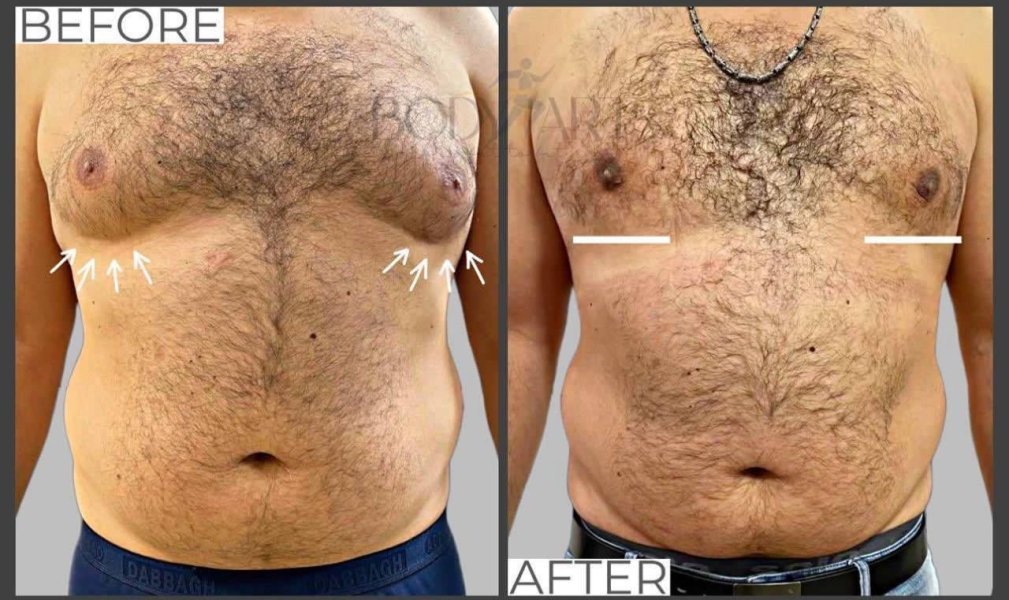
Male Chest Reduction in Egypt
Male Chest Reduction in Egypt
Restore a Flatter, More Masculine Chest Contour
Male chest reduction in Egypt is a surgical treatment designed for men who are concerned about excess chest fat, enlarged breast tissue, or a puffy chest appearance. Commonly referred to as gynecomastia surgery or male breast reduction, the procedure can help create a flatter, firmer, and more defined chest contour.
For many men, chest fullness does not improve with exercise or weight loss alone. This can be caused by excess fat, glandular breast tissue, loose skin, hormonal changes, certain medications, or a combination of factors. Male chest reduction is planned around the specific cause of the enlargement and the patient’s natural body shape.
[CTA Button: Book Your Male Chest Reduction Consultation]
What Is Male Chest Reduction?
Male chest reduction is a cosmetic surgical procedure that reduces excess volume in the chest area. Depending on the individual case, treatment may involve:
Liposuction to remove excess chest fat
Removal of glandular breast tissue
Excision of loose skin, where necessary
Nipple and areola adjustment in more extensive cases
The purpose is to improve chest shape while preserving a natural masculine appearance. The right technique depends on whether the enlargement is mainly fatty tissue, glandular tissue, or a combination of both.
What Causes Male Chest Enlargement?
Male chest enlargement, often known as gynecomastia, can develop for several reasons. Common contributors include:
Hormonal changes
Weight gain or fat accumulation
Puberty-related changes
Ageing
Certain medications
Alcohol or drug use
Medical conditions affecting hormone balance
Previous major weight loss
A medical consultation is important because not all chest enlargement has the same cause. In some cases, an underlying health issue should be assessed before surgery is considered.
Who Is a Good Candidate for Male Chest Reduction in Egypt?
You may be a suitable candidate if you:
Have persistent chest fullness that does not respond to diet and exercise
Are close to a stable, healthy body weight
Are in good general health
Do not smoke, or are willing to stop before and after surgery
Have realistic expectations
Feel self-conscious about the appearance of your chest
Have completed a medical assessment where required
The surgeon will evaluate skin elasticity, chest volume, glandular tissue, nipple position, and your overall body proportions before recommending a treatment plan.
Male Chest Reduction with Liposuction
For patients whose chest fullness is mainly caused by fat, liposuction may be enough to improve the chest contour.
Small incisions are made in discreet areas, and a fine cannula is used to remove excess fat. This approach can create a flatter chest with minimal scarring, especially when the skin has good elasticity.
Liposuction alone may not be suitable when there is a significant amount of firm glandular tissue behind the nipple area. In those cases, direct tissue removal may be required for a more complete result.
Gynecomastia Surgery with Gland Removal
When glandular breast tissue is present, the surgeon may remove it through a small incision, often placed around the edge of the areola. This helps reduce puffy nipples and firm tissue that cannot be addressed with liposuction alone.
In more severe cases, particularly after substantial weight loss or when there is excess skin, a larger chest-reduction procedure may be recommended. This may involve removing skin and repositioning the nipples for a more proportionate chest contour.
The goal is always to create an outcome that matches the patient’s anatomy and looks natural in and out of clothing.
Your Male Chest Reduction Procedure
Your treatment starts with a private consultation. You will discuss your concerns, medical history, weight stability, lifestyle, and the chest shape you hope to achieve.
On the day of surgery, the treatment areas are carefully marked. The surgeon then uses the planned technique—liposuction, gland removal, skin excision, or a combination—to reshape the chest.
The procedure is performed under appropriate anaesthesia. The exact operation time depends on the extent of treatment required.
Recovery After Male Chest Reduction
Following surgery, you may experience swelling, bruising, tightness, and temporary changes in sensation. A compression garment is commonly worn to support healing and help the chest settle into its new contour.
Many patients return to light daily activities within several days. Heavy lifting, chest workouts, swimming, and strenuous exercise should be avoided until your surgeon confirms that it is safe.
The chest may look different immediately after surgery, but the final result develops gradually as swelling decreases and the tissues heal. It is important to attend follow-up appointments and follow all aftercare instructions.
Male Chest Reduction Before and After Results
Before-and-after photographs can help illustrate the type of improvement possible after male chest reduction. Results may show a flatter chest, reduced nipple puffiness, improved chest definition, and a more balanced upper-body contour.
Every patient is different. Final results depend on the amount of fat and glandular tissue present, skin quality, surgical technique, weight stability, and healing response.
Individual results vary and cannot be guaranteed.
Why Choose Male Chest Reduction in Egypt?
Egypt offers patients the opportunity to combine personalised aesthetic treatment with organised medical-travel support. Your plan may include consultation guidance, procedure planning, recovery arrangements, and follow-up care tailored to your needs.
The most important step is choosing a qualified surgeon who can identify the cause of chest enlargement and recommend the right treatment—not simply the quickest option. Your consultation should include clear information about realistic outcomes, scars, recovery, and possible risks.
Frequently Asked Questions
Is male chest reduction permanent?
The fat and glandular tissue removed during surgery do not usually return. However, future weight gain, hormonal changes, certain medications, or health conditions may affect chest appearance over time.
Will there be scars?
The type and location of scars depend on the surgical technique. Liposuction uses very small incisions, while gland removal may require an incision around the areola. More extensive cases can require longer scars if loose skin must be removed.
Can exercise fix gynecomastia?
Exercise can reduce body fat and improve chest muscle tone, but it cannot remove firm glandular tissue. Men with persistent glandular enlargement may need surgical treatment for a flatter contour.
How long is recovery?
Most patients return to light routines within a few days, but full recovery and return to exercise should be guided by the surgeon. Swelling can take several weeks to settle.
Is male chest reduction painful?
Discomfort is usually manageable with prescribed medication and aftercare guidance. Tightness and tenderness are common during the early recovery period.
Book Your Male Chest Reduction Consultation in Egypt
Take the first step toward a flatter, more confident chest contour. Book a confidential consultation to discuss male chest reduction in Egypt and receive a treatment plan based on your body, medical history, and goals.
All surgical procedures involve risks. A full consultation with a qualified surgeon is required to assess suitability. Individual results vary.